


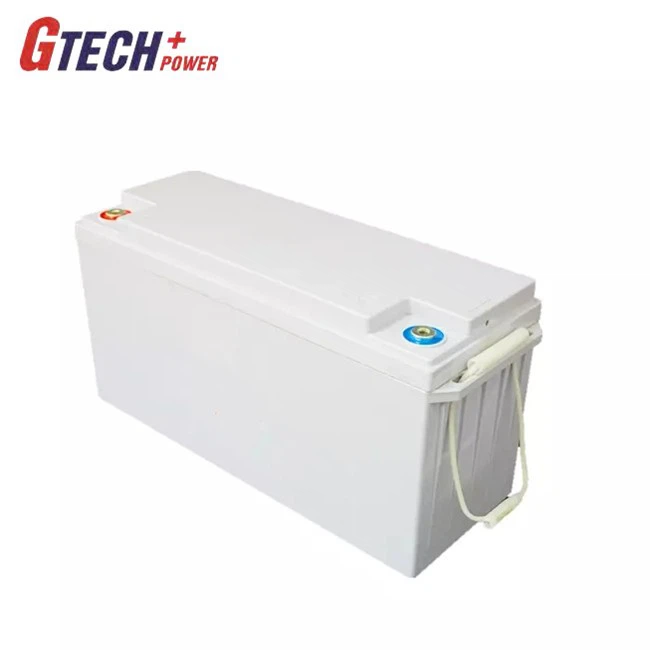
What are Deep Cycle Batteries?
A deep cycle battery is a type of lead-acid battery that is designed to be regularly discharged and recharged. Golf carts use deep cycle batteries because they are able to withstand the repeated charging and discharging cycles. In fact, these batteries are able to run reliably until they are 80% discharged or more. While many high-rate batteries are able to withstand a few deep cycles without hurting the battery, a deep cycle battery was created with consistent deep cycling in mind. A regular high-rate battery is designed to provide smaller bursts of energy to the vehicle, but you will want to keep it as close to fully charged as possible. You are not likely to find a deep cycle battery in your car or truck, but you are likely to find one in a golf cart.
Advantages of Deep Cycle Batteries
Cycles
Deep cycle batteries last for about 2,000 cycles, with each cycle representing a full discharge and recharge, while traditional lead-acid batteries last about 200 cycles and aren't designed for deep discharging.
RC
A deep cycle battery has a much higher RC compared to regular batteries and provides more sustained energy.
Size
Deep cycle batteries are smaller and lighter in weight than regular batteries, which is why they work so well in recreational vehicles.
Construction of Deep Cycle Battery In Golf Cart
1). Electrolytes: GEL is used in the separator and plate, so there is no residual electrolyte in the battery.
2). Separator: it is made of glass fiber.
3). Container and cover: made of high-impact, flame-retardant plastic
4). Terminal: cast in lead or lead alloy and inserted into the copper core.
5). Valves: Work at specified pressure limits and do not allow external air to the battery.
Types of Golf Cart Batteries: Lithium Vs. Lead-Acid
Lead-acid, absorbed glass mat (AGM), and lithium-ion are the three main types of deep-cycle golf cart batteries. Each has benefits and drawbacks.
Lead-Acid
Lead-acid batteries are the most common and lowest-cost deep-cycle batteries for golf carts. They consist of lead plates suspended in a sulfuric acid solution which creates a chemical reaction allowing energy to be stored. The main benefit of lead-acid batteries is that they have the lowest upfront cost. However, they have the shortest lifespan compared to other golf cart battery types, require the most maintenance, and are the heaviest.
AGM
Absorbed Glass Mat (AGM) batteries are a sealed variation of a lead-acid battery. In an AGM battery, the lead plates sit between electrolyte saturated fiberglass mats. AGM construction eliminates the need to refill the fluid in the battery and allows them to be sealed, making them leak-free. AGM batteries require less maintenance than traditional lead-acid batteries. Unfortunately, AGM batteries can be significantly more expensive without offering much additional capacity.
Lithium-Ion
Golf carts use deep-cycle lithium iron phosphate (LiFeO4) batteries. Don't confuse these with the lithium batteries found in small electronics. LiFeO4 batteries are safer and one of the most stable forms of Li-ion batteries. They are optimized to provide a steady current output.
Deep Cycle Battery Applications
Off grid solar power systems
Deep cycle batteries are used in off grid power systems to store energy generated by solar panels during the day. This energy can then be used at night or during times when the solar panels are not generating enough energy.
Backup power systems
Deep cycle batteries are used in backup power systems to provide power during power outages. They can be used to power critical appliances and electronics such as refrigerators, lights, and medical equipment.
Marine and RV applications
Deep cycle batteries are commonly used in marine and RV applications to provide power for lights, appliances, and other electronics.
Golf carts and electric vehicles
Deep cycle batteries are used to power golf carts and other electric vehicles. They are ideal for these applications because they can deliver the power required and are designed to withstand frequent deep discharges.
Renewable energy storage
Deep cycle batteries can be used to store energy generated by wind turbines, hydroelectric generators, and other renewable energy sources. This stored energy can then be used when the renewable energy source is not generating enough power.
Industrial applications
Deep cycle batteries are used in a wide range of industrial applications, such as forklifts, floor scrubbers, backup power systems for data centers, and in remote monitoring and control systems.
How to Care for Your Golf Cart Battery?
At the Start of the Season
Check each battery for signs of wear, including bulging or cracks in the casing.
Clean the terminals and cable connections with a wire brush and baking soda solution to remove any corrosion.
Inspect and tighten battery connectors and vent caps.
Test the battery's voltage with a multimeter to ensure it is holding a full charge.
Check the manufacture date on the battery, and consider replacing it if it's more than three years old.
Throughout the Season
Charge golf cart batteries fully after each use. Use a battery charger that matches your battery pack, and let it complete a full charge cycle according to the manufacturer's instructions.
Never run your battery down to zero charge. Letting the battery run too low can shorten its lifespan.
Continue to visually inspect batteries for signs of damage or signs of corrosion and clean as needed.
Test the battery's voltage regularly with a multimeter to ensure it holds a full charge.
Store batteries in a cool, dry place to prolong their life.
At the End of the Season
Remove the batteries from the golf carts and clean the terminals and cable connections.
Store the batteries in a cool, dry place and cover to protect them from dust and moisture.
Avoid storing in freezing temperatures and where there's a risk of direct exposure to heat sources, like a space heater or radiator.
Charge batteries every three months during the off-season to maintain their health.
Consider using a battery charger or maintainer with an advanced storage mode feature for automatic charging in the off-season.
Simple And Safe Inspection Process for Deep Cycle Battery
Fluid Inspection
Using a hydrometer to measure the specific gravity of the acid within the battery fluid.
Following battery charging service, the hydrometer reading of all cells should be at least 1.225 -- and show less than 50 point difference between the high and low readings.
A fully charged and healthy battery will show clear fluid without discoloration and a hydrometer reading 1.265.
Voltage Inspection
Battery voltage after charge effectively indicates battery health.
Batteries with less than 100% voltage should be recharged before use. A 12-volt battery will read 12.6 volts or higher after charge; a 6-volt battery will read 6.4 volts or higher after charge.
Make sure the battery terminals are free of corrosion before testing.
Load Test Inspection
Batteries must be at 100% voltage before applying a load test.
When load testing, remove all battery cables from their terminals.
Using a load tester, apply a 15-second load equivalent to 50% of the battery's CCA rating.
Refer to the load testers' minimum passing voltage to determine the battery condition. If the test voltage is below the minimum, replace the battery.
If your battery still performs poorly, you'll find helpful troubleshooting ideas in our seasonal battery brochure for deep cycle and AGM batteries.
Factors to Consider When Choosing the Best Golf Cart Battery
Battery Type: Flooded Lead-Acid, AGM, or Lithium?
Flooded lead-acid batteries are the traditional choice for golf carts. They are cost-effective but require regular maintenance, including water refilling and cleaning of terminals.
AGM batteries offer a maintenance-free alternative. They are spill-proof, have a longer lifespan, and are generally more reliable, making them an excellent choice for those seeking convenience and durability.
Lithium batteries, while more expensive, provide exceptional performance. They are lightweight, have a longer lifespan than traditional options, and offer consistent power output throughout their cycle. Consider the upfront cost against the long-term benefits when contemplating lithium batteries.
Battery Voltage: Matching Your Golf Cart's Requirements
It's essential to match the battery voltage with your golf cart's specifications. Common voltages include 6V, 8V, and 12V, and most electric carts operate within a 36 to 48-volt range. For instance, a 36-volt cart typically uses six 6-volt batteries, while a 48-volt cart may have six 8-volt or four 12-volt batteries. In certain instances, 72-volt golf carts are available. These represent the most powerful voltage choice, tailored for exceptional performance or specific uses. Their infrequency is attributed to the increased expenses and intricate design involved.
Amp-Hour (Ah) Rating: Assessing Capacity
The best battery for a golf cart should have an appropriate Amp-Hour rating, indicating its capacity to deliver a consistent flow of power over time. Assess your usage patterns and select a battery with an Amp-Hour rating that meets or exceeds your requirements for extended operation.
Frequency: How often do you use your golf cart? If you use it daily or several times a week, you will need a battery with a higher Ah rating to accommodate your frequent use.
Duration: How long are your typical golf cart rides? If you typically take short rides around the neighborhood, you can get by with a smaller battery. However, if you take longer rides, especially on hilly terrain, you will need a larger battery with a higher Ah rating to provide enough power for longer periods.
Conditions: What kind of terrain do you often travel on? If you mostly operate your golf cart on flat, smooth surfaces, you can get by with a smaller battery. However, if you frequently encounter hills, rough terrain, or steep inclines, you will need a larger battery with a higher Ah rating to provide the power needed to tackle those obstacles.


Deep Cycle Battery In Golf Cart has Sealed maintenance-free
battery function
1). AGM technology that can absorb electrolyte.
2). Maintenance-free operation - no need to add water to the electrolyte.
3). Can be installed in any direction.
4). Wide operating temperature range and temperature compensation charging.
5). Lead alloy grid has high power density.
6). The self-discharge level is low, so the service life is extended.
7). Using flame retardant ABS material


Packing for delivery

Hot Tags: deep cycle battery in golf cart, China deep cycle battery in golf cart manufacturers, suppliers


